

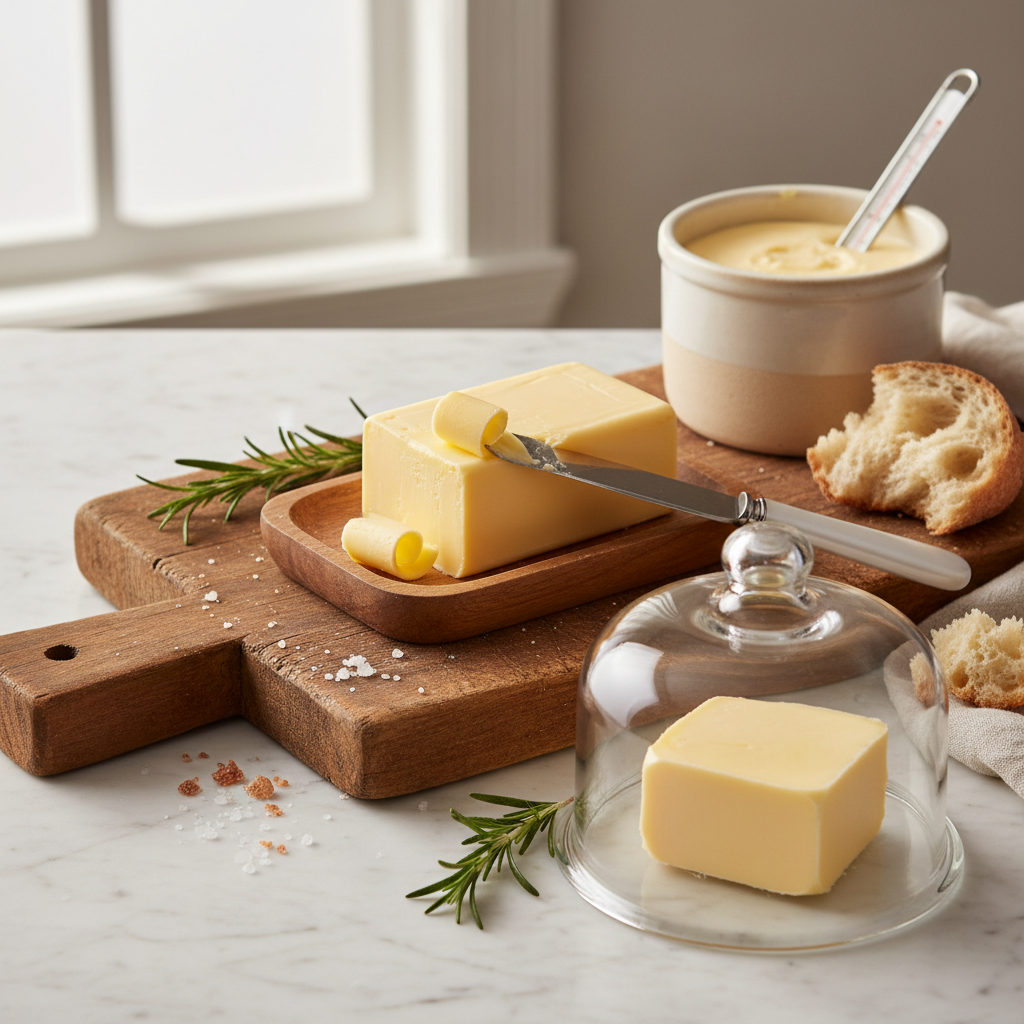
Does Butter Need to be Refrigerated? Understanding the Science of Dairy Safety
It is one of the most debated questions in the American kitchen: Does butter need to be refrigerated? For some, leaving butter on the counter is a tradition handed down through generations, ensuring a soft, spreadable texture for morning toast. For others, the thought of leaving a dairy product at room temperature feels like a recipe for foodborne illness. As food safety experts, we look beyond preference and dive into the microbiology of dairy stability.
While most dairy products like milk, cream, and soft cheeses are highly perishable and require constant refrigeration, butter occupies a unique middle ground. According to the United States Department of Agriculture (USDA) and the Food and Drug Administration (FDA), butter is technically a "Time/Temperature Control for Safety" (TCS) food, but it is far more resistant to bacterial growth than its liquid counterparts. The answer to whether you can leave it out depends on the type of butter, the environment of your kitchen, and your personal timeline for consumption.
The Composition of Butter: Why It Resists Spoilage
To understand why butter can survive outside the "Danger Zone" (40°F to 140°F) longer than milk, we must look at its molecular structure. Butter is an emulsion—specifically, a water-in-fat emulsion. While milk is mostly water containing small amounts of fat, butter is roughly 80% to 82% milkfat, about 16% water, and 1-2% milk solids.
Bacteria require moisture and nutrients to thrive. In butter, the tiny water droplets are suspended within a dense matrix of fat. This inhibits the movement of bacteria and prevents them from easily accessing the nutrients they need to multiply. Furthermore, many commercial butters are salted. Salt acts as a powerful preservative by drawing moisture out of bacterial cells through osmosis, effectively neutralizing many common pathogens.
What the USDA and FDA Say About Counter Storage
The USDA officially states that butter is safe at room temperature. However, they qualify this by recommending that it should only be left out for one to two days to maintain optimal quality. The reason for this recommendation isn't necessarily immediate bacterial danger, but rather oxidative rancidity.
The FDA generally classifies butter as a food that should be refrigerated to maintain shelf life, but recognizes that salted butter has properties that hinder the growth of pathogens. In food service environments, strict regulations usually require butter to be kept at or below 41°F, but for the home cook, the rules are slightly more flexible provided certain conditions are met.
Salted vs. Unsalted Butter: The Critical Difference
When deciding whether to use a butter crock or the refrigerator, the first thing you must check is the salt content. This is arguably the most important factor in the "does butter need to be refrigerated" debate.
- Salted Butter: This is the only type of butter that should ever be left on the counter. The salt acts as a barrier against bacterial growth, significantly extending the time the butter can stay fresh at room temperature.
- Unsalted Butter: This should always be refrigerated. Without the protective qualities of salt, the milk solids in unsalted butter are highly susceptible to spoilage and bacterial colonization. If you prefer unsalted butter for baking, only take out the amount you need shortly before use.
Comparative Shelf Life of Butter
| Storage Method | Salted Butter | Unsalted Butter |
|---|---|---|
| Refrigerated (below 40°F) | 1–3 Months | 1 Month |
| Room Temperature (65°F–70°F) | 1–2 Weeks (Quality Peak) | Not Recommended (4 hours max) |
| Frozen (0°F or lower) | 6–9 Months | 6 Months |
Factors That Influence Spoilage at Room Temperature
If you choose to keep your salted butter on the counter for spreadability, you must be aware of the "enemies" of butter: light, heat, and air. These three factors accelerate oxidation, which makes the fat turn rancid.
1. Temperature Fluctuations
The ideal room temperature for keeping butter is between 65°F and 72°F. If your kitchen regularly exceeds 75°F—especially during summer months or if you lack air conditioning—butter will begin to soften too much, separating the oil from the milk solids. This physical breakdown makes the butter more vulnerable to spoilage. In hot weather, it is best to keep all butter in the refrigerator.
2. Exposure to Oxygen
Oxidation is a chemical reaction that occurs when fats are exposed to oxygen. It results in a sour, soapy, or "off" metallic taste. To prevent this, butter should never be left on an open plate. Always use a butter dish with a tight-fitting lid or a French butter bell (more on this below).
3. Light Exposure
Photochemical oxidation occurs when light (especially sunlight or bright fluorescent light) hits the fat molecules. This is why butter sold in clear wrapping is rare; the opaque foil or paper helps protect it. If you use a glass butter dish, keep it in a dark cupboard rather than on a sunny countertop.
The French Butter Bell: A Food Safety Solution
One of the best tools for those who want spreadable butter without compromising safety is the French Butter Bell (also known as a butter crock). This device uses a clever design to protect the butter from the elements:
- Butter is packed into a bell-shaped lid.
- The lid is placed upside down into a crock containing a small amount of water.
- This method can keep salted butter fresh on the counter for up to 30 days, provided the water is changed every 2-3 days and the kitchen stays cool.
Safety Red Flags: How to Tell if Butter Has Gone Bad
Even if you follow the "salted butter only" rule, you must be able to identify the signs of spoilage. Spoiled butter is unlikely to cause the same type of violent food poisoning as "bad" meat, but rancid fat can cause digestive upset and will certainly ruin the flavor of your food.
Check for these signs:
- Discoloration: If the outside of the butter is significantly darker yellow than the inside, or if you see spots of white, green, or black mold, discard the entire stick immediately. Do not simply "cut off" the moldy part, as mold threads can penetrate deep into the fat.
- Smell: Fresh butter should smell faintly sweet and creamy. Rancid butter has a distinctively sharp, sour, or cheesy odor (resembling blue cheese or old sneakers).
- Flavor: If the butter tastes bitter or has a "stale" soapy aftertaste, it has oxidized and should be tossed.
A Note on Cross-Contamination
A common mistake that leads to butter spoilage is cross-contamination. When you use a knife to spread butter on toast and then "double-dip" that knife back into the butter dish, you are introducing bread crumbs and bacteria from your saliva or other foods. These organic materials spoil much faster than the butter itself, creating a breeding ground for mold within your butter dish.
Best Practices for Butter Storage
To maximize the shelf life of your butter while maintaining that perfect spreadable texture, follow these expert tips:
Daily Use Strategy
Only leave out what you will use within 2 or 3 days. Cut a standard stick of salted butter in half; leave one half in the refrigerator and place the other half in an opaque, airtight butter dish on the counter. This minimizes the volume of fat exposed to room temperature at any given time.
Long-Term Storage
Keep your "backstock" of butter in the original packaging at the back of the refrigerator. The refrigerator door is the warmest part of the unit and subject to constant temperature swings; instead, store butter on a middle shelf or in the dedicated dairy compartment which usually has a cover.
Freezing Butter
If you find a sale on high-quality butter, stocking up is a great idea. Butter freezes exceptionally well. Wrap the original cartons in an extra layer of aluminum foil or place them in a heavy-duty freezer bag to prevent the butter from absorbing odors from the freezer (like onions or seafood). Thaw in the refrigerator overnight before use.
Summary: The Final Verdict
Does butter need to be refrigerated? The definitive answer is: Not always, but with conditions.
If you are using salted butter and your kitchen is kept at a moderate temperature (under 72°F), it is perfectly safe to keep a small amount in an airtight container on the counter for 1-2 weeks. However, for unsalted butter, whipped butter, or any butter in a kitchen warmer than 75°F, refrigeration is absolutely mandatory to prevent spoilage and ensure food safety.
By understanding the science of fat stabilization and following the guidelines set by the USDA and FDA, you can enjoy the culinary luxury of soft butter without ever compromising the health of your household. Always trust your senses—if it smells off or looks different, err on the side of caution and throw it out. After all, the cost of a new stick of butter is far less than the cost of a ruined meal or a bout of illness.
Quick Checklist for Countertop Butter
- Is it salted? (Yes = Proceed / No = Refrigerate)
- Is the kitchen under 72°F? (Yes = Proceed / No = Refrigerate)
- Is it in an airtight, opaque container? (Yes = Proceed / No = Move to a crock)
- Can I consume this amount in 7 days? (Yes = Proceed / No = Leave a smaller portion out)
Following these simple professional standards ensures that your kitchen remains both gourmet and garden-variety safe, allowing you to focus on the joy of cooking rather than the worry of food storage.