

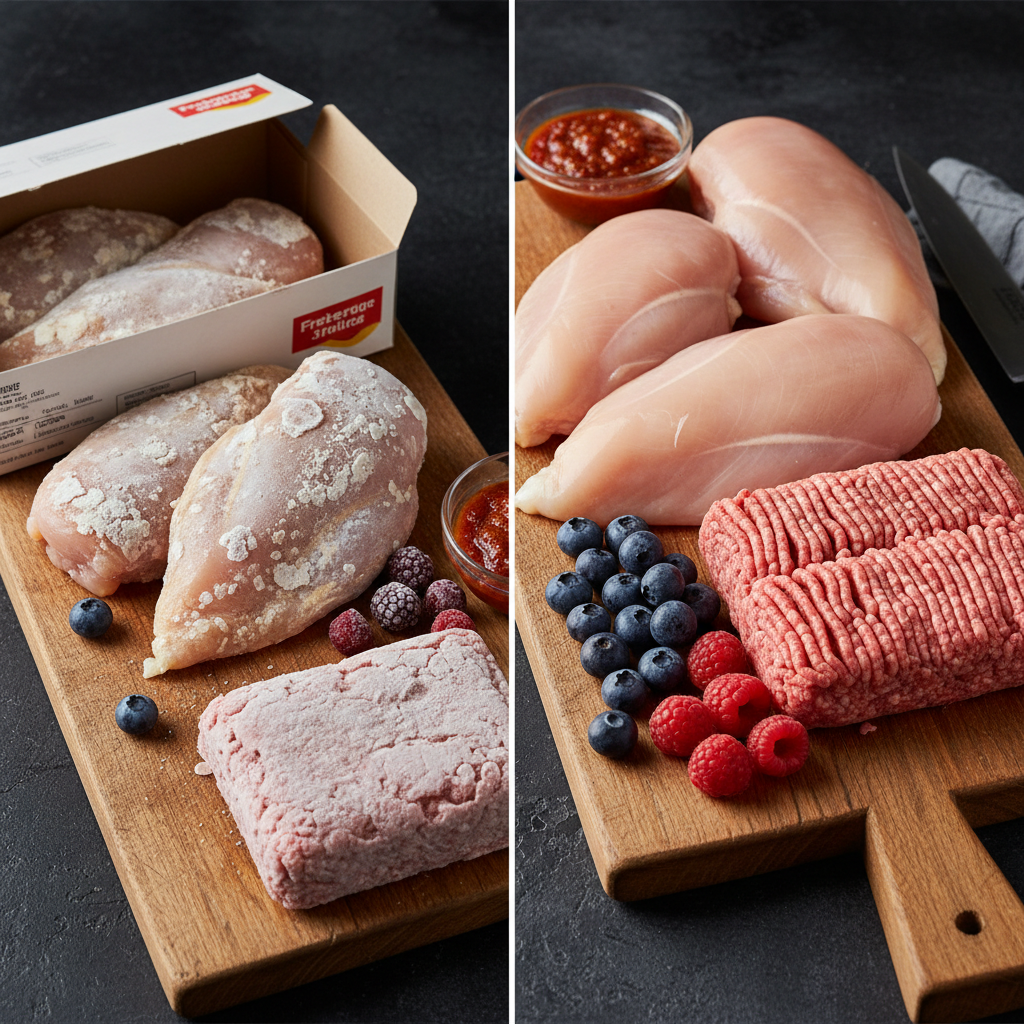
Understanding Freezer Burn: More Than Just Ice Crystals
We have all been there: you reach into the back of the freezer for a steak or a bag of frozen peas, only to find it covered in a thick layer of frosty ice crystals or sporting unsightly gray-brown patches. This phenomenon is known as freezer burn. While it might make your dinner look unappealing, the most pressing question for any home cook is: is freezer burn safe to eat?
The short answer, according to the United States Department of Agriculture (USDA), is yes. Freezer burn is a matter of food quality, not food safety. However, understanding why it happens, how it affects the texture and flavor of your food, and how to prevent it can save you hundreds of dollars in food waste each year. At FreshCheck, we believe that food safety education is the foundation of a healthy kitchen. In this comprehensive guide, we will dive deep into the science of sublimation, the physical changes in frozen proteins, and the best practices for salvaging "burned" food.
What Exactly Is Freezer Burn?
To understand freezer burn, we have to look at the science of sublimation. Sublimation is the process where a substance changes from a solid state directly into a gas, skipping the liquid phase. In your freezer, water molecules inside the food turn into ice. Over time, these ice molecules migrate from the interior of the food to the surface, where they evaporate into the cold, dry air of the freezer.
When the moisture leaves the food, the areas that have lost their water become dehydrated and shriveled. This leaves behind "pockets" of air that allow oxygen to enter the tissue of the food. This exposure to oxygen leads to oxidative changes that alter the color and flavor of the item. Essentially, freezer burn is a combination of extreme dehydration and oxidation.
Is Freezer Burn Safe to Eat? The Science of Safety
The USDA Food Safety and Inspection Service (FSIS) is very clear on this point: "Freezer burn does not make food unsafe; it merely makes it dry in spots." Because the food is kept at a constant temperature of 0°F (-18°C) or lower, bacterial growth is essentially paused. Pathogens like Salmonella or E. coli cannot multiply at these temperatures.
However, there is a caveat. While the freezer burn itself isn't dangerous, the conditions that caused the freezer burn might indicate a safety risk. For example, if your freezer has been frequently losing power or cycling through temperature fluctuations, the food may have partially thawed and refrozen multiple times. Fluctuating temperatures can allow bacteria to grow during the "warm" periods before it freezes again. If the food smells "off" or has a slimy texture once thawed, you should discard it immediately, regardless of the presence of freezer burn.
Signs Your Food Has Freezer Burn
- Leathery Patches: On meat, look for dry, grayish-brown or tan spots. These areas will feel tough and fibrous compared to the rest of the cut.
- Ice Crystals: If you see heavy, "snowy" ice buildup inside the packaging or directly on the surface of the food, moisture has escaped the item.
- Shriveling: Vegetables like peas or corn will appear wrinkled and smaller than their fresh-frozen counterparts.
- Discoloration: Poultry may turn white or yellowish, while beef may lose its vibrant red color and turn a dull brown.
How Freezer Burn Affects Flavor and Texture
While safe to consume, freezer-burned food is rarely enjoyable. The physical changes caused by dehydration are significant. When you cook a piece of meat with freezer burn, the dehydrated spots remain tough and stringy because the cellular structure has been compromised. Even if you cook it in a liquid, those areas often fail to rehydrate properly.
Furthermore, oxidation creates "off" flavors often described as "stale," "metallic," or "cardboard-like." Fats are particularly susceptible to oxidation, which is why fatty meats like bacon or salmon may taste rancid if they suffer from freezer burn. For high-quality ingredients, these changes can be devastating to the final culinary result.
| Food Type | Visual Changes | Texture Impact | Flavor Impact |
|---|---|---|---|
| Red Meat | Grayish-brown patches | Tough, leathery, woody | Metallic or bland |
| Poultry | White or tan dry spots | Stringy and dry | Cardboard-like taste |
| Vegetables | Shriveled, ice-coated | Mushy or excessively crisp | Loss of sweetness |
| Ice Cream | Crunchy ice layer on top | Gritty or gummy | Loss of creaminess |
The "Danger Zone" and Freezer Temperatures
To ensure both safety and quality, the FDA recommends keeping your freezer at exactly 0°F (-18°C). At this temperature, enzymes that cause food spoilage are slowed down, and microorganisms are inactivated. It is a common mistake to assume that if the food "feels cold," it is fine. Investing in a standalone freezer thermometer is one of the most effective ways to prevent freezer burn.
Many modern refrigerators feature "auto-defrost" cycles. While convenient for preventing ice buildup on the coils, these cycles momentarily raise the internal temperature of the freezer. This temperature fluctuation is a primary driver of freezer burn, as it encourages the sublimation process. If you plan on long-term storage, a dedicated chest freezer (which usually doesn't have an auto-defrost cycle) is superior to a kitchen fridge-freezer combo.
Recommended Storage Times for Quality
Even in the best conditions, food won't last forever in the freezer without some quality degradation. Here are the USDA-recommended timeframes for peak quality:
- Steaks and Roasts: 4 to 12 months
- Ground Meat: 3 to 4 months
- Whole Chicken/Turkey: 1 year
- Cooked Meats: 2 to 6 months
- Fruits and Vegetables: 8 to 12 months
Proven Strategies to Prevent Freezer Burn
Prevention is the only way to truly "fix" freezer burn. The goal is simple: keep air out and moisture in. Here are the professional-grade methods for protecting your food:
1. Use Proper Packaging (The Double-Layer Rule)
The flimsy plastic wrap used in the grocery store meat department is air-permeable and not designed for long-term freezing. To protect your investment, use the double-layer rule. Wrap the food tightly in plastic wrap or aluminum foil to remove air pockets, then place it inside a heavy-duty freezer bag. Squeeze out as much air as possible before sealing.
2. Vacuum Sealing: The Gold Standard
If you buy in bulk, a vacuum sealer is an essential tool. By removing almost all oxygen from the environment, you virtually eliminate the possibility of sublimation and oxidation. Vacuum-sealed meats can often stay fresh in the freezer for 2 to 3 years without any signs of freezer burn.
3. Minimize Headspace
When freezing liquids like soups or stews, leave a small amount of space (about half an inch) for expansion, but don't leave several inches of empty air at the top of the container. For solid foods in containers, you can place a piece of plastic wrap directly onto the surface of the food before putting the lid on to create a barrier.
4. Flash Freezing
For small items like berries, meatballs, or individual shrimp, "flash freeze" them first. Spread them out on a baking sheet and freeze until solid (1-2 hours), then transfer them to a freezer bag. This prevents the items from clumping together and reduces the total time they are exposed to air during the freezing process.
How to Salvage Freezer-Burned Food
If you find an item with freezer burn, don't throw it away immediately! You can often salvage the meal with a little bit of "kitchen surgery."
Trim the Affected Areas
Before or after thawing (though it is easier when slightly frozen), use a sharp knife to cut away the dry, discolored patches. Since the freezer burn is usually localized to the surface, the meat underneath is likely perfectly fine. Discard the trimmed portions and use the remaining "healthy" meat as usual.
Use "Humid" Cooking Methods
Freezer-burned meat is dehydrated. Avoid dry-heat cooking methods like grilling or searing, which will only exacerbate the dryness. Instead, use moist-heat methods. Braising, stewing, or using a slow cooker are excellent ways to mask the texture changes. Cooking the meat in a flavorful broth, wine, or sauce helps reintroduce moisture and masks any slight "off" flavors caused by oxidation.
Incorporate Heavily Seasoned Recipes
If the flavor is slightly muted, use the meat in dishes with bold spices and aromatics. Tacos, chili, stews, and curries are perfect for freezer-burned ingredients. The spices will compensate for the loss of the meat's natural profile.
Common Myths About Freezing Food
"Freezing kills all bacteria." – False. Freezing makes bacteria dormant, but it does not kill them. Once the food thaws, any bacteria present before freezing can become active again. This is why you should always thaw meat in the refrigerator, not on the counter.
"You can't refreeze meat once it has thawed." – Mostly False. According to the USDA, if food is thawed in the refrigerator, it is safe to refreeze it without cooking, although there will be a loss of quality due to moisture loss during the second thaw.
"The freezer lasts forever." – False. High-fat items can still go rancid over a long period because oxidation continues (albeit very slowly) even at 0°F.
Conclusion: Quality vs. Safety
Living a low-waste lifestyle means knowing when to save food and when to let it go. When it comes to the question, "Is freezer burn safe to eat?", you can breathe a sigh of relief knowing it is not a health hazard. It is a physical change, not a biological one. By using airtight packaging, maintaining a consistent temperature of 0°F, and employing smart cooking techniques to salvage affected items, you can minimize waste and keep your kitchen running efficiently.
Always trust your senses: if food smells foul, feels slimy, or has been stored at improper temperatures, follow the golden rule of food safety: When in doubt, throw it out. For everything else, a little bit of trimming and a slow braise can turn a freezer-burned roast into a delicious family meal.