

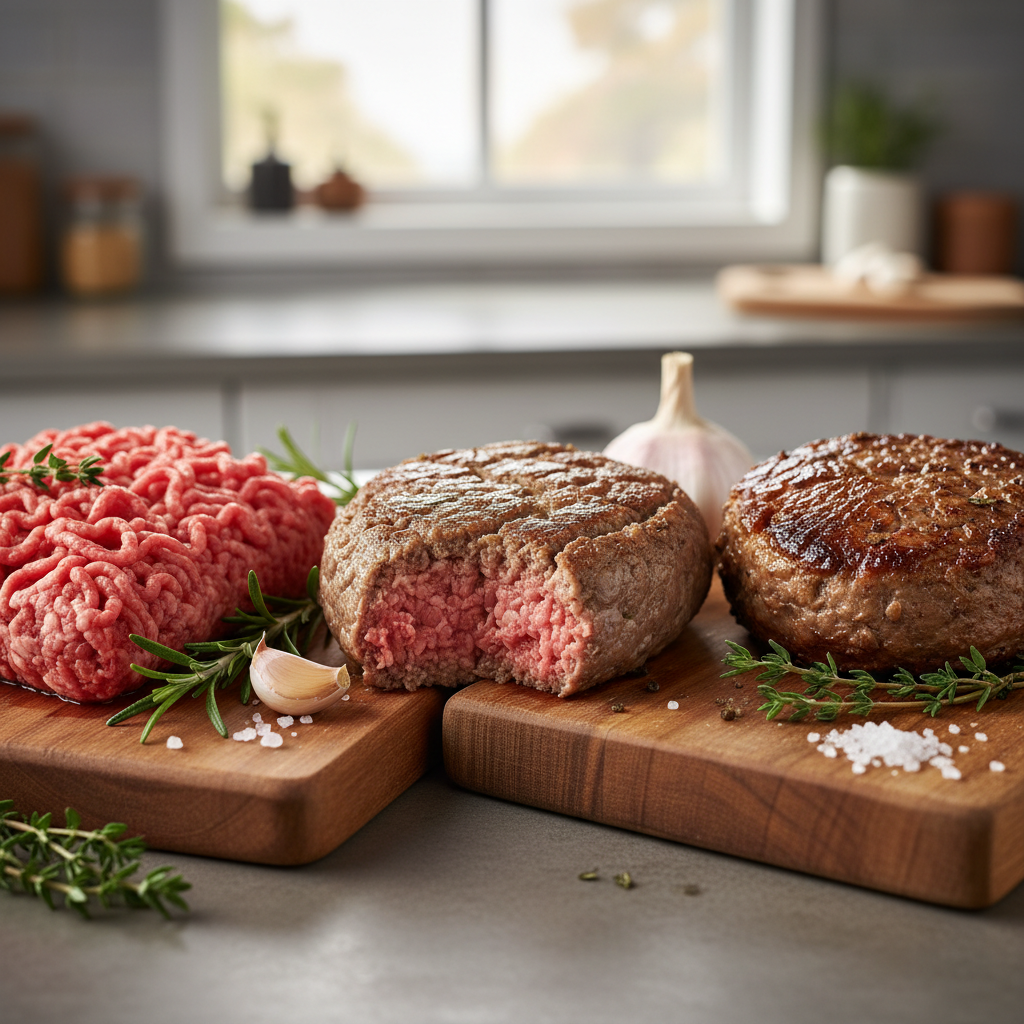
Understanding Ground Beef Color Changes: Why Your Meat Turned Brown
Few things are as off-putting as reaching into the refrigerator for a package of meat, only to discover that your bright red meat has transformed into a dull, muddy brown. This color shift often leads to a common kitchen dilemma: ground beef turned brown—should you cook it or toss it?
At FreshCheck, we understand that food safety is paramount to your family's health, but preventing food waste is also a priority. To determine whether your ground beef is still safe to eat, we must look beyond just the color. According to the United States Department of Agriculture (USDA), color is not the only indicator of freshness. To make an informed decision, you need to understand the science of meat pigmentation, the role of oxygen, and the tell-tale signs of spoilage that go deeper than the surface.
The Science of Color: Why Is Ground Beef Red in the First Place?
To understand why ground beef turns brown, we first have to understand why it is red. The color of meat is primarily determined by a protein called myoglobin. Myoglobin stores oxygen in muscle cells and is naturally purple-red in color. When meat is exposed to the air, myoglobin reacts with oxygen to form a pigment called oxymyoglobin. This is what gives ground beef that iconic, bright cherry-red color we see in the grocery store display case.
However, this red color is chemically unstable. Over time, or when oxygen levels are limited, the iron atom within the myoglobin molecule undergoes oxidation. This process transforms oxymyoglobin into metmyoglobin, which is characterized by a distinct brownish-gray hue. This is the primary reason why your ground beef may look brown even if it hasn't technically "gone bad."
The "Dark Center" Phenomenon
If you have ever pulled apart a large brick of raw ground beef and found that the outside is bright red while the interior is grayish-brown, you have witnessed this chemistry in action. Because the center of the package is shielded from oxygen, the myoglobin cannot turn into oxymyoglobin (the red pigment). This is perfectly normal and does not indicate spoilage. Once the interior is exposed to air, it may even "bloom" and turn redder, though prolonged exposure will eventually lead to the metmyoglobin stage (permanent browning).
Is Brown Ground Beef Safe to Eat?
The short answer is: It depends. Color alone is a poor indicator of safety. Ground beef that has turned brown due to lack of oxygen or a long period in the refrigerator may still be safe to consume, provided it has been handled and stored correctly.
According to the USDA Food Safety and Inspection Service (FSIS), if ground beef is brown throughout but has been kept refrigerated and shows no other signs of spoilage, it is generally safe to cook. However, if the browning is accompanied by an off-odor, a sticky or slimy texture, or if it has been in the fridge for more than two days, it should be discarded immediately.
Safe vs. Unsafe Ground Beef Comparison
| Feature | Safe (Oxidized) | Unsafe (Spoiled) |
|---|---|---|
| Color | Dull brown or grayish throughout. | Greenish, iridescent, or very dark brown/black. |
| Smell | Neutral, metallic, or slightly "meaty." | Sour, ammonia-like, or putrid "funky" smell. |
| Texture | Moist, firm, and breaks apart cleanly. | Slimy, sticky, or tacky to the touch. |
| Storage Time | 1–2 days in the refrigerator. | 3+ days in the refrigerator. |
How to Tell if Ground Beef Has Gone Bad: The Three-Step Test
When you are staring at ground beef that has turned brown, follow this professional assessment protocol used by food safety experts to determine if it is destined for the skillet or the trash.
1. The Scent Test
Your nose is one of your best tools for detecting spoilage. Fresh ground beef has a very faint, metallic scent. If you open the package and are hit with a pungent, sour, or sweet-rotten odor, spoilage bacteria (such as Lactobacillus or Pseudomonas) have likely begun to break down the proteins and fats. If it smells "off," do not taste it to confirm—just throw it away.
2. The Texture Test
Safe ground beef should feel moist but not wet. Wash your hands and press your finger into the meat. It should feel firm and leave a slight indentation. If the meat feels slimy, slippery, or sticky, this is an indication of high bacterial growth. This "slime" is a biofilm created by colonies of bacteria and is a definitive sign that the meat is no longer safe for consumption.
3. The Timeline Check
Even if the meat looks okay, time is a critical factor. Pathogenic bacteria like E. coli and Salmonella can multiply to dangerous levels without noticeably changing the look or smell of the meat. The CDC and FDA recommend the following storage limits for raw ground beef:
- Refrigerator (40°F / 4°C or below): 1 to 2 days.
- Freezer (0°F / -18°C or below): 3 to 4 months for best quality (though it remains safe indefinitely if kept frozen solid).
The Danger Zone: Proper Temperature Management
Bacterial growth is heavily dependent on temperature. The USDA defines the "Danger Zone" as the temperature range between 40°F and 140°F (4°C – 60°C). In this range, bacteria can double in number every 20 minutes.
When ground beef turns brown because it was left on the counter, it is far more dangerous than ground beef that turned brown in a cold refrigerator. Never thaw ground beef at room temperature. Always use the refrigerator, a cold water bath (changing the water every 30 minutes), or the microwave (if cooking immediately after).
Ground Beef Color After Freezing: Freezer Burn vs. Oxidation
If you pull ground beef from the freezer and find brown patches, you may be looking at freezer burn. Freezer burn occurs when air reaches the surface of the meat, dehydrating it. While freezer-burnt areas may look unappealing and have a localized brown or gray leather-like appearance, they are not a safety risk. You can simply trim these parts off after thawing.
However, if the meat was already beginning to spoil before it was frozen, freezing will not make it safe. Freezing "pauses" bacterial growth but does not kill the bacteria already present. Always label your packages with the date of purchase to ensure you stay within the recommended 4-month quality window.
Cooking "Edge-Case" Meat Safely
If your meat is brown but passes the smell and texture tests, and you are within the 2-day refrigeration window, you can proceed with cooking. However, you must ensure you reach the proper internal temperature to kill any surface bacteria.
The Golden Rule: Always cook ground beef to an internal temperature of 160°F (71°C) as measured by a food thermometer. Unlike whole-muscle cuts like steak, where bacteria are mostly on the surface, the grinding process distributes surface bacteria throughout the meat. This is why a "medium-rare" burger is significantly riskier than a medium-rare steak.
Why You Can't Rely on "Cooked Color" Either
Just as raw meat color can be deceiving, so can cooked meat color. Some ground beef may stay pink inside even after reaching 160°F due to the presence of nitrites in the water or certain vegetables cooked with the meat. Conversely, some ground beef can turn brown prematurely before reaching a safe temperature. Never judge doneness by color; always use a meat thermometer.
Preventing Ground Beef from Turning Brown Prematurely
While you cannot stop the natural oxidation process entirely, you can slow it down with these best practices:
- Buy Last, Store First: Pick up your meat at the very end of your grocery trip and get it into the refrigerator immediately. If you have a long drive, use an insulated bag.
- Original Packaging: Keep the meat in its original store packaging until you are ready to use it. Store it on the bottom shelf of the fridge to prevent any juices from dripping onto other foods (cross-contamination).
- Vacuum Sealing: If you buy in bulk, using a vacuum sealer to remove all oxygen can significantly extend the "red" life of the meat and prevent freezer burn.
- Tight Wrapping: If you don't have a vacuum sealer, wrap the meat tightly in plastic wrap (removing as much air as possible) and then a layer of aluminum foil.
Summary: When in Doubt, Throw it Out
To summarize, ground beef turned brown is often just a result of chemical oxidation and is safe to eat if it has been stored properly and smells fresh. However, food safety is not a place for guesswork. If you detect any of the following, do not consume it:
- A sour, tangy, or putrid odor.
- A slimy or sticky film on the surface.
- The meat has been in the refrigerator for longer than 48 hours.
- The meat was left in the "Danger Zone" (above 40°F) for more than two hours.
By following USDA guidelines and trusting your senses (buttressed by a thermometer), you can enjoy your meals with confidence. Remember that while a brown burger might look less appetizing, it is the invisible bacteria that pose the real threat. Keep your fridge cold, your thermometer handy, and your storage times short to ensure every meal at your table is a safe one.
For more food safety tips and internal temperature guides, visit FreshCheck.app regularly.