

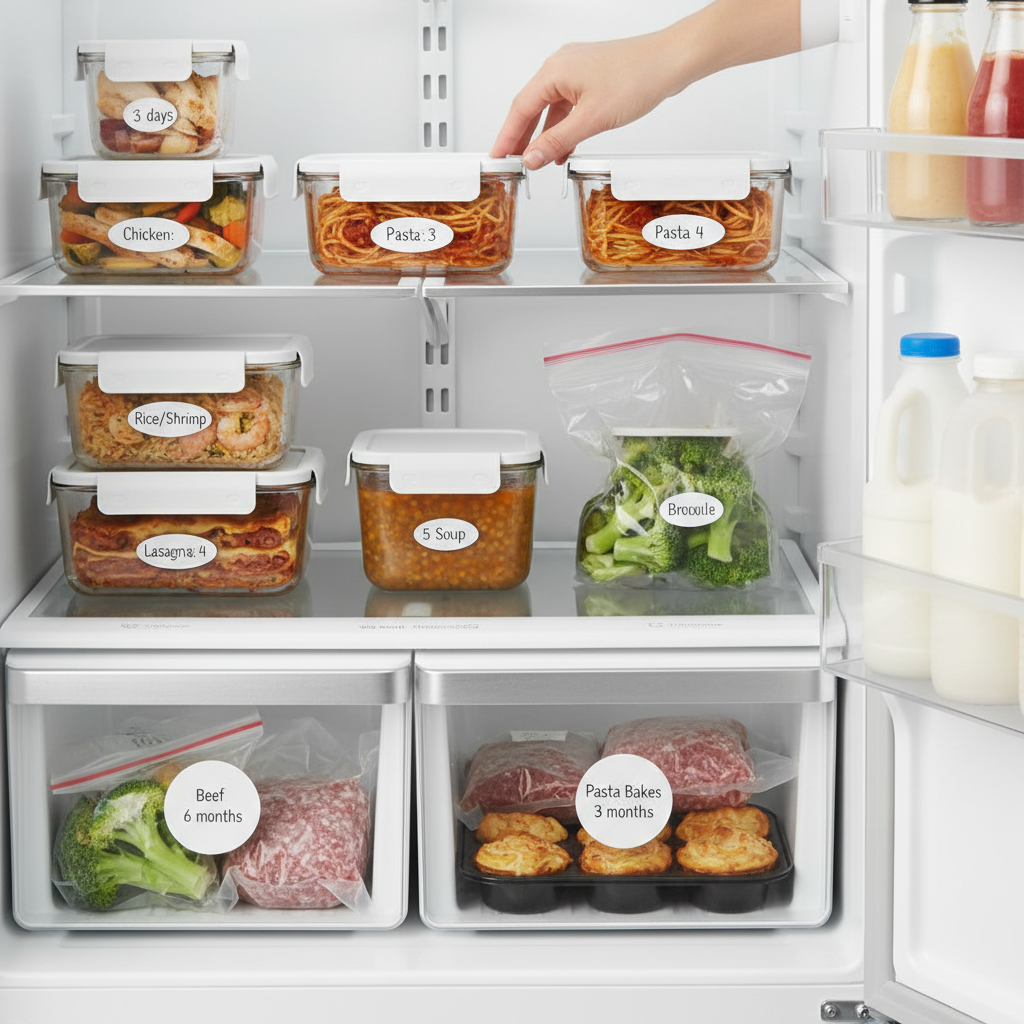
The Golden Rule of Food Safety: Understanding the "Leftover Lifecycle"
Whether it’s a portion of homemade lasagna, a half-eaten takeout container, or the remains of a Sunday roast, knowing how long do leftovers last is one of the most critical skills in any kitchen. Proper food storage isn't just about preserving flavor and texture; it is fundamentally about preventing foodborne illness. According to the Centers for Disease Control and Prevention (CDC), roughly 48 million Americans get sick from foodborne pathogens every year. A significant portion of these cases stems from improper cooling and storage of cooked foods.
The transition from a hot meal to a refrigerated leftover involves a race against the "Danger Zone." This is the temperature range between 40°F and 140°F where bacteria, such as Salmonella and E. coli, can double in number every 20 minutes. To keep your kitchen safe, you must navigate this window with precision. This guide provides the definitive timelines, temperatures, and techniques required to master leftover safety, backed by the USDA and FDA guidelines.
The 2-Hour Rule: The Most Important Timeline
Before pondering how many days a dish can sit in the fridge, you must first address the clock the moment the meal is served. The USDA Food Safety and Inspection Service mandates the "2-Hour Rule." Perishable foods should never be left at room temperature for more than two hours. If the ambient temperature is above 90°F (such as at a summer picnic or in a kitchen without AC), that window shrinks to just one hour.
Bacteria do not need much time to colonize a protein-rich environment. If you leave your leftovers out on the counter to "cool down" overnight, you aren't just losing freshness—you are inviting pathogens to thrive. Even if you reheat the food later, some bacteria, like Staphylococcus aureus, produce toxins that are heat-resistant and cannot be killed by microwave or stove-top cooking.
The Science of Modern Refrigeration
A common myth is that putting hot food directly into the fridge will "spoil the milk" or damage the appliance. Modern refrigerators are designed to handle the heat load. While you shouldn't put a massive 5-gallon pot of boiling soup directly on a glass shelf, it is much safer to divide food into small, shallow containers and refrigerate them immediately than to let them sit on the counter for hours. Shallow containers (less than 2 inches deep) allow for rapid heat loss, ensuring the core of the food reaches the safe zone of 40°F as quickly as possible.
General Storage Timelines: The 3 to 4 Day Standard
For the vast majority of cooked dishes, the FDA Food Code recommends a maximum storage time of 3 to 4 days in a refrigerator set at 40°F (4°C) or below. While the food may still look or smell fine on day five or six, spoilage bacteria (which affect taste and smell) are different from pathogenic bacteria (which cause illness). Pathogens often leave no scent, discoloration, or slime until it is far too late.
| Food Category | Refrigerator (40°F or below) | Freezer (0°F or below) |
|---|---|---|
| Cooked Meat & Poultry | 3–4 Days | 2–6 Months |
| Pizza | 3–4 Days | 1–2 Months |
| Cooked Fish | 3 Days | 1–3 Months |
| Soups & Stews | 3–4 Days | 2–3 Months |
| Egg Salad / Deli Salads | 3–5 Days | Does not freeze well |
| Cooked Rice & Pasta | 3–5 Days | 1–2 Months |
Specific Guidelines for Meat and Poultry
Cooked chicken, beef, and pork are some of the most common leftovers. If you have roasted a whole turkey or chicken, ensure the meat is removed from the bone before storage. This increases the surface area for cooling and prevents the core of the carcass from remaining warm for too long. Leftover meat stays safe for 3 to 4 days. If you find yourself on day four and realize you won't eat it, transfer it to the freezer immediately to "stop the clock."
The Risks of Rice and Grains
Surprisingly, one of the most dangerous leftovers is rice. Uncooked rice often contains spores of Bacillus cereus, a bacterium that can survive the cooking process. If cooked rice is left at room temperature or cooled too slowly, these spores can germinate into bacteria that produce toxins. Always refrigerate rice within one hour of cooking and consume it within 4 days.
Optimizing the Freezer: Long-Term Storage Secrets
If you cannot finish your leftovers within the 4-day window, the freezer is your best friend. From a safety perspective, food kept at a constant 0°F (-18°C) will stay safe to eat indefinitely because bacterial growth is completely suspended. However, "safe to eat" and "good to eat" are different things. Quality eventually declines due to freezer burn and enzymatic changes.
To maximize the quality of frozen leftovers:
- Use airtight packaging: Squeeze as much air as possible out of freezer bags or use vacuum sealers to prevent ice crystals from forming on the food surface.
- Label everything: Use a permanent marker to write the date and the contents. You may think you’ll remember what that red sauce is in three months, but once frozen, everything looks the same.
- Portion out: Freeze leftovers in single-serving sizes. This allows you to thaw only what you need and speeds up the defrosting process.
The Three Safe Ways to Thaw Leftovers
The way you defrost food is just as important as how you store it. Never thaw leftovers on the kitchen counter or in hot water. These methods allow the outer layers of the food to reach the "Danger Zone" while the center is still frozen.
1. Refrigerator Thawing (The Gold Standard)
This is the safest method. Simply move the food from the freezer to the fridge 24 hours before you plan to eat it. Small items may thaw overnight, while large items like a frozen casserole may take a full day or more. Once thawed, the food remains safe in the fridge for an additional 3 to 4 days before it must be cooked or discarded.
2. Cold Water Thawing
If you are in a rush, place the frozen leftovers in a leak-proof plastic bag and submerge it in cold tap water. Change the water every 30 minutes to ensure it stays cold. Food thawed this way must be reheated immediately.
3. Microwave Thawing
Most microwaves have a "defrost" setting. Use this only if you plan to reheat and eat the food immediately after. Microwave thawing can create "hot spots" where parts of the food start to cook, which can encourage bacterial growth if the food is then left to sit.
Reheating for Safety: The 165°F Rule
When it comes time to enjoy your leftovers, the USDA is very clear: leftovers must be reheated to an internal temperature of 165°F (74°C). This temperature is sufficient to kill most foodborne pathogens. Use a digital food thermometer to check the thickest part of the food.
When reheating liquids like soups, sauces, or gravies, bring them to a full rolling boil. If you are using a microwave, cover the food and rotate it or stir it halfway through the heating process. This ensures there are no cold spots where bacteria might survive. Warning: You should only reheat leftovers once. Each time food is cooled and reheated, it passes through the "Danger Zone," increasing the risk of contamination and significantly degrading the quality of the meal.
The "Smell Test" Fallacy: When in Doubt, Throw it Out
One of the most dangerous habits in the kitchen is relying on the "sniff test." While it is true that putrefying bacteria will make food smell sour or look slimy, these are spoilage organisms, not necessarily the ones that cause food poisoning. Pathogenic bacteria—the ones that cause vomiting, cramps, and fever—are often odorless, colorless, and tasteless.
Common signs that leftovers have gone bad include:
- Visible Mold: Especially on soft foods like pasta or casseroles. Note that for soft foods, if you see mold on the surface, the "roots" or hyphae have likely penetrated deep into the dish.
- Texture Changes: If meat feels unusually slimy or if vegetables have turned to mush.
- Off-Odors: Any sour, ammonia-like, or "funky" smell is a clear sign to discard the item.
- The Calendar: If it has been in the fridge for 5 days or longer, throw it out regardless of how it looks or smells.
Expert Tips for Better Leftover Management
To reduce waste and increase safety at home, consider these professional kitchen strategies:
FIFO (First In, First Out)
Professional chefs use the FIFO method. When you put new leftovers in the fridge, move the older ones to the front so they are the first thing you see. This prevents "fridge shadows" where containers disappear into the back of the shelf until they become a science project.
Invest in Glass Storage
While plastic containers are convenient, high-quality tempered glass containers are superior for leftovers. Glass does not leach chemicals, is easier to sanitize, and allows you to see exactly what is inside. Many glass containers are also oven-safe, allowing you to reheat food without transferring it to another dish.
Keep a Fridge Thermometer
Don't trust the dial on your refrigerator. Invest in a small, inexpensive fridge thermometer to ensure your appliance is actually maintaining a temperature of 37°F to 40°F. If your fridge creeps up to 45°F, the shelf life of your leftovers is cut in half.
Special Considerations: Takeout and Delivery
Takeout food requires even more vigilance. Unlike home-cooked meals, you don't always know how long that food sat under a heat lamp or in a delivery driver's car before reaching your door. Treat the delivery time as part of the "2-hour window." If the food arrives lukewarm, prioritize eating it immediately or chilling it straight away. Takeout sushi or raw seafood should generally be consumed the same day and not kept as leftovers.
Conclusion: Stay Safe, Reduce Waste
The question of how long do leftovers last is one of the most important aspects of home management. By adhering to the 3 to 4 day refrigeration rule, cooling food rapidly in shallow containers, and reheating to 165°F, you can enjoy your favorite meals a second time without any risk. Remember: the freezer is a "pause button" for safety, but the refrigerator is a "slow-motion" clock. When you stay organized and respect the science of food safety, you protect your health and your wallet.
For more detailed inquiries regarding specific food items, always consult the USDA's FoodKeeper App or the FDA's FreshCheck guidelines to ensure your kitchen remains a safe environment for your family.