

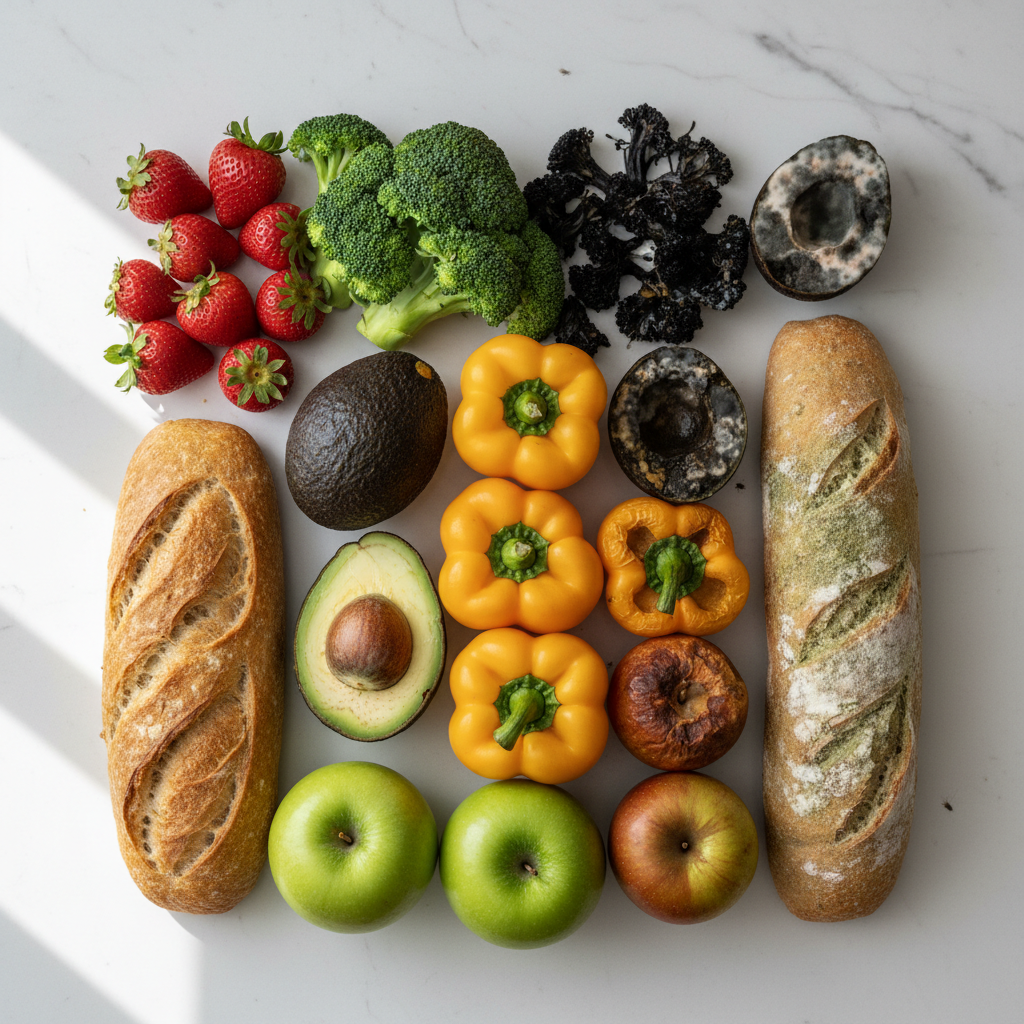
Introduction to Food Safety and Spoilage
Understanding how to tell if food is bad is one of the most critical skills any home cook or professional food handler can possess. Identifying spoiled food isn't just about avoiding a bad taste; it is a vital practice for preventing foodborne illnesses, which affect approximately 48 million Americans annually according to CDC (Centers for Disease Control and Prevention) estimates. While modern packaging and refrigeration have extended the life of our groceries, the "sniff test" isn't always enough to guarantee safety.
Pathogenic bacteria—the kind that cause food poisoning—do not always change the smell, look, or taste of food. Conversely, spoilage bacteria might make food look unappealing but aren't necessarily dangerous. This comprehensive guide will walk you through the scientific and sensory indicators for every major food category, using guidelines from the USDA (United States Department of Agriculture) and the FDA (Food and Drug Administration) to keep your kitchen safe.
The General Rules of Food Preservation
Before diving into specific categories, it is essential to understand the "Danger Zone." Bacteria grow most rapidly in the temperature range between 40°F and 140°F (4°C and 60°C), doubling in number in as little as 20 minutes. If perishable food has been left out at room temperature for more than two hours (or one hour if the ambient temperature is above 90°F), the USDA recommends discarding it regardless of how it looks or smells.
The Difference Between "Use-By" and "Best-By" Dates
Confusion over date labels contributes to massive amounts of food waste. It is important to distinguish between quality and safety:
- Best if Used By/Before: This indicates when a product will be at its peak flavor or quality. It is not a purchase or safety date.
- Sell-By: This tells the store how long to display the product for inventory management. It is not a safety date.
- Use-By: This is the last date recommended for the use of the product while at peak quality. Only for infant formula is the "Use-By" date a safety requirement regulated by the FDA.
How to Tell If Meat and Poultry Are Spoiled
Raw meat is highly susceptible to bacterial growth. Because meat spoilage can lead to severe pathogens like Salmonella or E. coli, you should never take risks with questionable beef, pork, or chicken.
Beef, Pork, and Lamb
When assessing red meats, look for three primary indicators:
- Color: Fresh beef is naturally cherry-red (or purplish if vacuum-sealed). If the meat has turned brown due to oxidation, it may still be safe, but a distinctly grayish or greenish hue is a sign of spoilage.
- Texture: Fresh meat should be firm and slightly moist. If the surface feels slimy, tacky, or sticky to the touch, bacteria have begun to colonize the surface.
- Smell: Spoiled raw meat has a pungent, ammonia-like, or sour odor. If you have to hold it right up to your nose to detect a faint scent, it might be starting to turn; if the smell is unmistakable from a distance, toss it immediately.
Poultry (Chicken and Turkey)
Chicken is particularly volatile. According to the USDA, raw poultry can be kept in the refrigerator for only 1–2 days before it should be cooked or frozen. Signs of bad chicken include:
- Color Change: Raw chicken should be pink/flesh-colored. As it spoils, it fades to a dull gray.
- Texture: A slimy film on the surface is a definitive sign of spoilage. If you wash the chicken and the slime remains, it's unsafe.
- Odor: Bad poultry emits a very strong, unpleasant smell often described as "rotten eggs" or "sulfur."
Identifying Bad Seafood
Seafood spoils faster than almost any other protein due to its biological makeup. The FDA suggests that fresh fish should only be kept in the fridge for 1 to 2 days.
| Indicator | Fresh Seafood Signs | Spoiled Seafood Signs |
|---|---|---|
| Eyes (Whole Fish) | Clear, bright, and bulging | Cloudy, sunken, or red-rimmed |
| Gills | Bright red or pink | Brown, gray, or slimy |
| Flesh | Firm and elastic (springs back) | Mushy, soft, or leaves a fingerprint |
| Smell | Mild, like the ocean or seaweed | Strong "fishy," sour, or ammonia scent |
Shellfish Safety
For live shellfish like clams, oysters, and mussels, the "tap test" is essential. If a shell is open, tap it. If it doesn't close, the animal is dead and should be discarded. After cooking, any shells that remain closed should also be thrown away, as they were likely dead before the cooking process began.
Dairy Products: Milk, Cheese, and Eggs
Dairy products usually provide clear sensory warnings when they have expired, but some nuances exist between different types of cheese and milk.
Milk and Cream
The most common sign of bad milk is a sour smell, caused by lactic acid-producing bacteria. Lumps, curdling, or a yellowish tint also indicate that the milk is no longer safe for consumption. Plant-based milks (almond, soy, oat) also spoil; look for container bloating (a sign of gas production by bacteria) or a thick, slimy texture.
Yogurt and Sour Cream
Small amounts of liquid on top of yogurt (whey) is normal. However, if you see mold (green, white, or black spots), or if the texture has become exceptionally runny or "fuzzy," it must be discarded. Unlike hard cheese, you cannot simply "cut off" mold from yogurt; the moisture content allows mold spores and bacteria to penetrate deep into the container.
Hard vs. Soft Cheese
The rules for cheese depend on moisture content:
- Hard Cheeses (Cheddar, Parmesan): Mold usually cannot penetrate deep into hard cheese. The USDA states you can cut off at least 1 inch around and below the mold spot to save the rest of the block. Keep the knife out of the mold so you don't cross-contaminate.
- Soft Cheeses (Brie, Ricotta, Cottage Cheese): Because of the high moisture content, any sign of mold means the entire container or wheel is contaminated. Throw it away immediately.
The Egg Float Test
While eggs have a surprisingly long shelf life (3–5 weeks in the fridge), you can check their freshness using the float test. Place an egg in a bowl of water:
- Sinks and lays flat: Very fresh.
- Sinks but stands on end: Older, but still safe to eat (best for hard-boiling).
- Floats: The air cell has expanded too much, indicating the egg is old. While a floater isn't always "rotten," it is a strong indicator to crack it into a separate bowl and check for a sulfur smell before using.
Produce: Fruits and Vegetables
Produce spoilage is often obvious through wilting or bruising, but some signs are more dangerous than others.
Leafy Greens
Bagged salads and spinach become "bad" when they turn slimy or dark green/black. This liquid is a breeding ground for bacteria. If the leaves are just slightly wilted but still dry, they are safe to eat but may have lost some nutritional value and crunch.
Berries and Soft Fruits
Once a single berry in a container shows mold, the spores have likely spread to the others. Inspect berries closely. If they are mushy or "leaking" juice, they are on the verge of fermentation and spoilage. Always wash berries immediately before eating, not before storing, as moisture accelerates mold growth.
Root Vegetables (Potatoes and Onions)
Potatoes are generally hardy, but you must look out for green skin. This greening is caused by solanine, a natural toxin that can cause gastrointestinal distress. If a potato is soft, shriveled, or has a strong "earthy" but putrid smell, discard it. For onions, soft spots at the "neck" or a black powdery mold under the skin are signs of decay.
Pantry Staples and Grains
Dry goods last a long time, but they aren't invincible. The main threats here are oxidation (rancidity) and pests.
Oils and Nuts
Because they contain fats, oils and nuts can go rancid. This isn't usually a safety issue like E. coli, but it tastes terrible and can cause inflammation. Rancid oil smells like "old paint," "wet cardboard," or "play-dough." If your walnuts or almonds taste bitter or sharp, they have gone bad.
Flour and Grains
Check for pantry weevils (tiny brown bugs) or "webs" in the corners of the bag, which indicate moth larvae. While many whole grains can be kept for years, whole-wheat flour contains oils that can go rancid. If your flour smells sour or musty, replace it.
Canned Goods
Canned food can last for years, but the FDA warns against using cans that have:
- Bulging or Swelling: A sign of Clostridium botulinum (botulism), which is rare but deadly.
- Deep Dents: Particularly on the seams or the rim.
- Rust: If the rust is deep enough that it can't be wiped off, or it has perforated the metal.
- Spurting Liquid: If the can "hisses" or spurts liquid when opened, the contents are under gas pressure from bacterial growth.
The "When in Doubt, Throw It Out" Philosophy
While food waste is a global problem, personal safety should always come first. Pathogenic bacteria like Listeria can grow even at refrigeration temperatures and leave no sensory clues. To minimize risk, follow the USDA "Two-Hour Rule" and keep your refrigerator set to 40°F (4°C) or below.
Practical Actionable Tips for Home Safety
- Label Everything: Use a permanent marker to write the date you opened a package or cooked a meal on the container.
- First In, First Out (FIFO): Rotate your pantry and fridge so older items are at the front.
- Maintain Your Fridge: Use a freestanding thermometer to ensure your refrigerator is actually at 40°F or lower. High-density packing can lead to "warm spots."
- Trust Your Senses—With Limits: If it looks bad or smells bad, it’s bad. But remember, the absence of a bad smell doesn't always mean it’s safe.
Conclusion
Mastering how to tell if food is bad involves a combination of sensory observation and adherence to safety timelines. By understanding the specific spoilage signs of meat, dairy, produce, and canned goods, you can drastically reduce your risk of foodborne illness while also making smarter decisions about food waste. When you are uncertain—especially with high-risk foods like seafood or poultry—the safest course of action is always to discard the item. Your health is worth more than the cost of a single grocery item.