

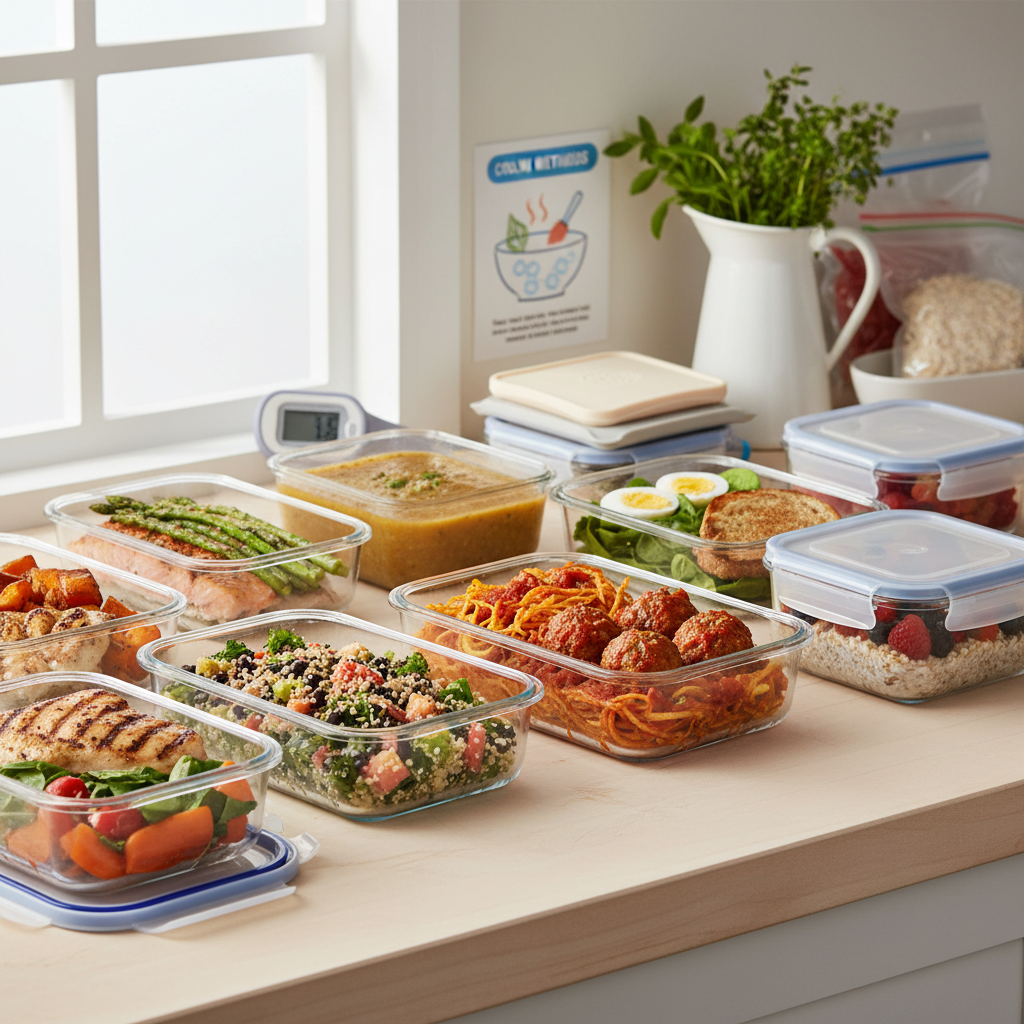
Introduction to Safe Meal Prepping
Meal prepping is a game-changer for anyone looking to save time, reduce food waste, and maintain a healthy diet. However, preparing a week's worth of food at once introduces unique food safety challenges. When you cook large quantities of food and store them for several days, you increase the window of opportunity for bacterial growth. According to the Centers for Disease Control and Prevention (CDC), one in six Americans gets sick from foodborne illnesses each year. To ensure your "Sunday Prep" doesn't lead to a "Monday Morning" stomach bug, you must understand the vital link between meal prep and food safety.
Safe meal prepping is more than just putting food in plastic containers. It involves a systematic approach to temperature control, cross-contamination prevention, and strict storage timelines. In this guide, we will break down the essential steps recommended by the USDA and FDA to help you master the art of safe meal prepping.
Establishing a Clean Prep Zone
Before the first vegetable is chopped or the first chicken breast is seasoned, your kitchen environment must be sanitized. Bacteria like Salmonella and E. coli can thrive on porous surfaces and kitchen tools.
Surface Sanitization
Washing surfaces with warm, soapy water is the first step, but it isn't always enough to kill pathogens. Use a solution of one tablespoon of unscented, liquid chlorine bleach per gallon of water to sanitize countertops. For meal preppers, this is crucial because you are often juggling multiple ingredients simultaneously, increasing the risk of cross-contamination.
Hand Hygiene Protocol
Handwashing is your first line of defense. The FDA Food Code recommends washing hands for at least 20 seconds with warm water and soap. You should wash your hands:
- Before starting the prep process
- After handling raw meat, poultry, or seafood
- After touching your face, hair, or phone
- Between handling raw ingredients and "ready-to-eat" foods like salads
Smart Shopping and Transportation
Food safety starts at the grocery store. The goal is to minimize the time food spends in the "Danger Zone"—the temperature range between 40°F and 140°F where bacteria multiply most rapidly.
When shopping for your weekly meal prep, pick up your shelf-stable items first and save the refrigerated and frozen items for the end of your trip. If your commute from the store to your home is longer than 30 minutes, the USDA recommends using insulated bags with ice packs to keep perishables at or below 40°F.
The Science of Safe Cooking Temperatures
Cooking food to the correct internal temperature is the only way to ensure that harmful bacteria are destroyed. Color and texture are unreliable indicators of doneness. To be a safe meal prepper, a digital food thermometer is a non-negotiable tool.
Internal Temperature Guide
Below is a table of the minimum internal temperatures required for common meal prep proteins, as regulated by the USDA:
| Food Category | Minimum Internal Temperature | Rest Time |
|---|---|---|
| Ground Meats (Beef, Pork, Lamb) | 160°F (71°C) | None |
| Poultry (Chicken, Turkey - ground or whole) | 165°F (74°C) | None |
| Fresh Beef, Pork, Veal, Lamb (Steaks, Chops) | 145°F (63°C) | 3 Minutes |
| Fish and Shellfish | 145°F (63°C) | None |
| Egg Dishes | 160°F (71°C) | None |
Pro Tip: When prepping large batches of chicken or beef, check the temperature of several different pieces. Heat distribution in ovens and pans can be uneven, and you want to ensure the "coolest" piece has reached the safety threshold.
The Two-Hour Rule: Cooling and Storage
One of the most common mistakes in meal prepping is leaving cooked food on the counter to "cool down" for several hours before putting it in the fridge. This practice invites rapid bacterial growth.
The USDA Food Safety and Inspection Service (FSIS) mandates the Two-Hour Rule: Perishable foods should never be left out at room temperature for more than two hours. If the ambient temperature is above 90°F (e.g., during a summer kitchen session), that window shrinks to one hour.
Rapid Cooling Techniques
Placing a large, steaming pot of chili or a giant tray of roasted vegetables directly into the refrigerator can raise the internal temperature of the fridge, putting your other food at risk. Instead, use these methods to cool food quickly before storage:
- Portioning: Divide large batches of food into smaller, shallow containers (no more than 2-3 inches deep). Smaller volumes lose heat much faster.
- Ice Baths: Place the cooking pot or container in a sink filled with ice water to drop the temperature before refrigerating.
- Ventilation: Leave container lids slightly cracked while the food is in the fridge for the first hour to allow steam to escape, then seal them tightly once cooled.
Choosing the Right Containers
The containers you choose for your meal prep impact both the longevity of the food and your health. If you plan on reheating your meals in their storage containers, they must be microwave-safe.
Glass Containers: These are preferred by many experts because they are non-porous, do not leach chemicals when heated, and can go from the fridge to the oven or microwave. They are also easier to sanitize effectively.
Plastic Containers: If using plastic, ensure they are BPA-free. Over time, plastic can develop scratches where bacteria can hide. If your plastic containers become warped or heavily stained, it is time to replace them. Always check the bottom of the container for the microwave-safe symbol.
The 4-Day Shelf Life Rule
How long is meal prep good for? This is the question every prepper asks. While some foods may look and smell fine after a week, pathogenic bacteria (the ones that make you sick) often don't change the taste, smell, or appearance of food.
Follow the "Rule of Four": Most cooked meals are safe to keep in the refrigerator (at 40°F or below) for 3 to 4 days. After this point, the risk of Listeria and other bacteria increases. If you are prepping on Sunday, your meals should be consumed by Thursday. Anything intended for Friday or Saturday should be stored in the freezer immediately after prep.
Storage Duration Comparison
| Food Type | Refrigerator (40°F) | Freezer (0°F) |
|---|---|---|
| Cooked Poultry/Meat | 3–4 Days | 2–6 Months |
| Cooked Fish | 3 Days | 1–2 Months |
| Hard-Boiled Eggs | 7 Days | Do Not Freeze |
| Roasted Vegetables | 3–4 Days | 8–10 Months |
| Cooked Grains (Rice/Quinoa) | 4–6 Days | 6 Months |
Reheating: The Final Safety Buffer
Reheating is not just about making your food palatable; it’s a second chance to kill any bacteria that may have developed during storage. When reheating meal-prepped items, the FSIS recommends an internal temperature of 165°F.
Microwave Safety: Microwave ovens often have "cold spots." When reheating your meal, cover the container and rotate it halfway through the heating process. Let the food stand for one to two minutes after heating to allow the heat to distribute evenly.
Sauces and Soups: Bring liquid-based meals to a rolling boil to ensure they have reached the necessary temperature throughout.
Preventing Cross-Contamination During Prep
Cross-contamination is the transfer of harmful bacteria from one food item (usually raw meat) to another (usually raw produce). This is a high risk during large-scale meal prep sessions.
- Color-Coded Cutting Boards: Use one board for raw meats and a separate board for produce and bread.
- The Sequence of Preparation: If you must use the same space, prep all your vegetables, fruits, and "ready-to-eat" items first. Wash and sanitize the area thoroughly before bringing out raw meats.
- Marinade Safety: Never reuse a marinade that has touched raw meat as a "sauce" for the final meal unless you first bring it to a rolling boil for several minutes.
Special Considerations for High-Risk Foods
Some foods require extra vigilance during the meal prep process. These "TCS" (Time/Temperature Control for Safety) foods are more susceptible to bacterial growth.
Rice and Grains
Rice can harbor spores of Bacillus cereus, a bacterium that can survive the cooking process. If cooked rice is left at room temperature, these spores can grow into bacteria and produce toxins. Always refrigerate rice within one hour of cooking and consume it within four days.
Leafy Greens
If your meal prep involves salads, ensure your greens are thoroughly dried after washing. Moisture is the enemy of shelf-life. Use a salad spinner and store greens with a paper towel inside the container to absorb excess humidity.
Seafood
Seafood has a shorter refrigerator shelf life than poultry or beef. For optimal safety and quality, seafood should be eaten within two to three days of cooking.
Maintaining Your Refrigerator
Your refrigerator is your most important piece of food safety equipment. However, many home refrigerators are set to the wrong temperature or have "warm zones."
- Invest in a Fridge Thermometer: Built-in dials are often inaccurate. Place a standalone thermometer in the center of the fridge to ensure it stays at or below 40°F (4°C).
- Avoid Overcrowding: Cold air needs to circulate to keep food at a safe temperature. If you pack your fridge too tightly with meal prep containers, "pockets" of warm air can cause food to spoil faster.
- Clean Regularly: Spills should be cleaned immediately to prevent the growth of mold and cross-contamination between containers.
Actionable Weekly Meal Prep Safety Checklist
To help you stay organized and safe, use this quick checklist every time you prep:
- Step 1: Clear and sanitize all countertops and sinks.
- Step 2: Check the "Use By" dates on all raw ingredients.
- Step 3: Wash hands and use separate cutting boards for meat and produce.
- Step 4: Cook all proteins to the USDA recommended internal temperatures.
- Step 5: Portion food into shallow containers immediately after cooking.
- Step 6: Move containers to the fridge within 2 hours (1 hour if it’s a hot day).
- Step 7: Label each container with the Contents and the Date Prepared.
- Step 8: Reheat all leftovers to 165°F before consumption.
Conclusion
Meal prepping is an excellent tool for health and productivity, but it must be practiced with a "safety-first" mindset. By respecting the "Danger Zone," adhering to the 4-day storage rule, and using a food thermometer, you can enjoy the convenience of prepared meals without the risk of foodborne illness. Remember, when in doubt, throw it out. No meal is worth the risk of getting sick. By following these guidelines from experts and authorities like the FDA and USDA, you can prep with confidence and keep your kitchen a safe, healthy environment for you and your family.