
Does Your Wine Have an Expiration Date?
There is a unique heartbreak in pouring a glass of wine, settling in for the evening, and discovering that your favorite Cabernet Sauvignon now tastes more like salad dressing than luxury grapes. Whether you are hosting a dinner party or enjoying a single glass after work, the question remains: how long does opened wine last before it turns into vinegar?
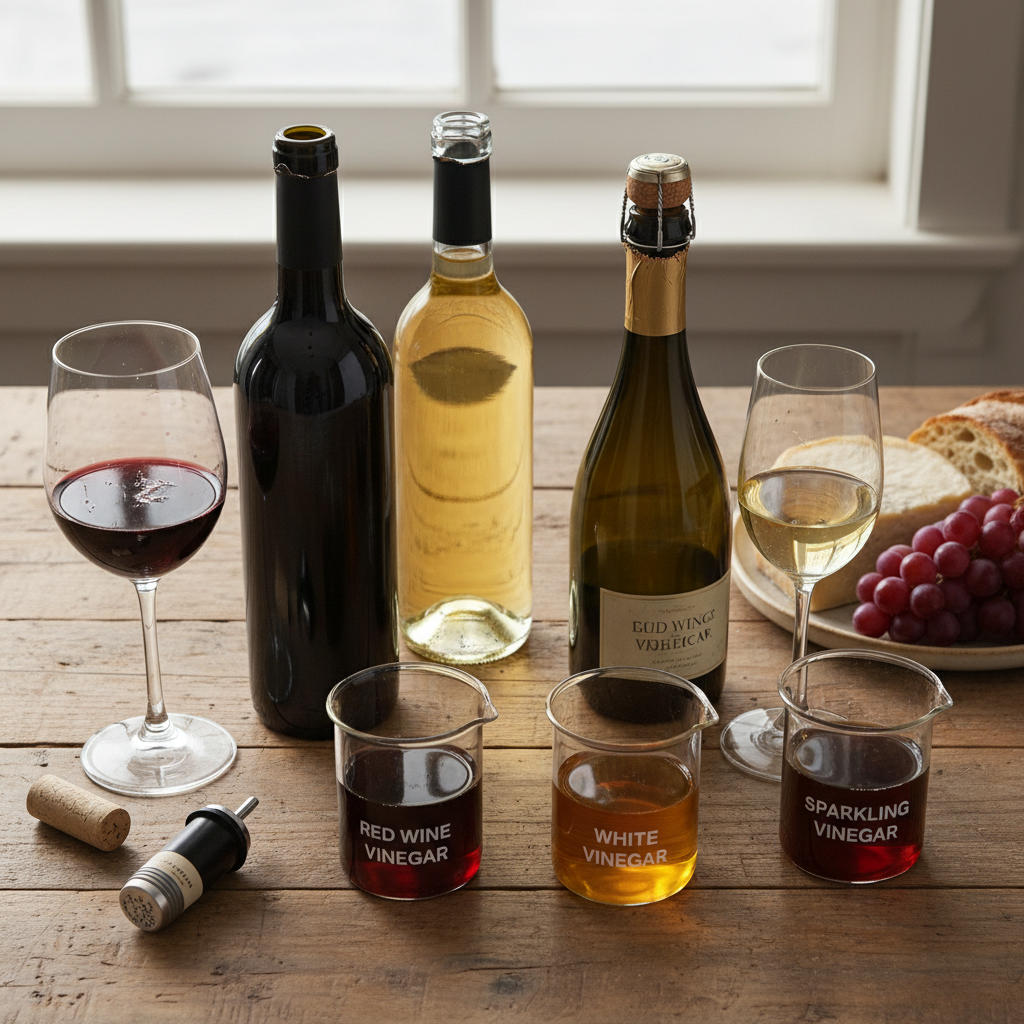
From a technical standpoint, wine doesn’t "spoil" in the same way that milk or meat does. You are unlikely to get a foodborne illness from old wine because the alcohol content and high acidity act as natural preservatives. However, from a culinary and sensory perspective, wine has a very clear shelf life. The moment you pull the cork, a chemical process called oxidation begins. While a little oxygen helps a wine "breathe" and open up its aromas, too much oxygen triggers the transformation of ethanol into acetaldehyde and, eventually, acetic acid—the primary component of vinegar.
In this guide, we will explore the science of wine spoilage, provide specific timelines for different varietals based on USDA and FDA food safety principles, and offer professional tips for extending the life of your open bottles.
The Science of Oxidation: Why Wine Goes Bad
To understand how long opened wine lasts, we must understand its greatest enemy: oxygen. When wine is exposed to air, two main things happen. First, the volatile aromatic compounds start to evaporate, leading to a loss of flavor complexity. Second, Acetobacter—acetic acid bacteria—begins to consume the alcohol and convert it into acetic acid.
While the FDA classifies wine as a low-risk food product due to its pH level (usually between 3.0 and 4.0) and alcohol concentration, the sensory degradation is rapid. Light, heat, and vibration can accelerate these chemical reactions. This is why a bottle left on a sunny kitchen counter will degrade significantly faster than one stored in a dark, chilled refrigerator.
The Role of Tannins and Acidity
Think of tannins and acidity as a wine’s natural immune system. Tannins, found primarily in red wines, are polyphenols that act as antioxidants. This is why a heavy, tannic red like a Petite Sirah will generally stay fresh longer than a delicate Pinot Noir. Similarly, high-acid wines (like Riesling or Sauvignon Blanc) resist the "flat" taste of oxidation longer than low-acid varieties.
How Long Does Opened Wine Last? (The Master Chart)
While every bottle is different, the following timeframes represent the standard window for peak quality. These estimates assume the bottle has been recorked and stored in the refrigerator.
| Wine Type | Shelf Life (Recorked & Cold) | Key Characteristics of Spoilage |
|---|---|---|
| Sparkling Wine (Prosecco, Champagne) | 1–3 Days | Loss of carbonation; taste becomes flat and "bready." |
| Light White & Rosé (Pinot Grigio, Sauvignon Blanc) | 5–7 Days | Loss of floral/fruit aromas; becomes sharp or acidic. |
| Full-Bodied White (Chardonnay, Viognier) | 3–5 Days | Develops a "nutty" flavor; color darkens toward gold. |
| Red Wine (Merlot, Cabernet, Syrah) | 3–6 Days | Fruit flavors fade; color turns brownish (tawny); smells like vinegar. |
| Fortified Wine (Port, Sherry, Marsala) | 28 Days+ | Very slow degradation due to high alcohol and sugar content. |
Deep Dive: Shelf Life by Varietal
Sparkling Wines (1–3 Days)
Sparkling wines lose their effervescence quickly. Once the pressure is released, the dissolved carbon dioxide escapes. While using a specialized sparkling wine stopper (which grips the neck of the bottle) can help preserve the bubbles for an extra day or two, the crispness will inevitably fade. Pro Tip: Avoid the "silver spoon in the bottle" myth; it does nothing to preserve carbonation. Only a pressure-seal stopper works.
Light White, Sweet White, and Rosé (5–7 Days)
Most light-bodied white wines will be enjoyable for nearly a week if kept in the fridge. As the wine oxidizes, the subtle fruit notes will vanish first. You may notice the wine tastes "static" or lacks the zing it had upon opening. If the wine was organic or made without added sulfites (preservatives), expect this window to shrink to 2 to 3 days.
Full-Bodied White Wines (3–5 Days)
Wines like oaked Chardonnay or Viognier are often exposed to more oxygen during the aging process (in barrels), which means they can sometimes be more sensitive to further oxidation once opened. Because they rely on their creamy texture and complex bouquet, they lose their appeal faster than high-acid whites.
Red Wines (3–6 Days)
The more tannin and acidity a red wine has, the longer it tends to last after opening. For example, a light Pinot Noir may only last 3 days, whereas a robust Cabernet Sauvignon might actually taste better on day two. However, once you cross the 5-day mark, most reds will start to take on a brownish hue and a bitter, vinegary finish.
Fortified Wines (Varies)
Fortified wines have brandy or other spirits added to them. Since alcohol is a preservative, these wines have a much longer shelf life. A Fino Sherry is delicate and should be finished in about a week, but a Tawny Port or a Madeira can last for several weeks or even months if stored in a cool, dark place.
Signs Your Wine Has Gone Bad
Not sure if that bottle in the back of the fridge is still good? Use your senses. While USDA guidelines focus on pathogens, quality assessment in wine is largely about "off-flavors." Look for these three warning signs:
- The Look: The color will change. White wines will turn a darker yellow or even straw-brown. Red wines will lose their vibrant purple/ruby tones and become brick-red or brown. This is a clear sign of excessive oxidation.
- The Smell: Does it smell like vinegar (acetic acid)? Does it smell like a moldy basement or wet cardboard (cork taint)? Does it have a "cooked" aroma like caramelized onions or stewed fruit? If the aroma is no longer fresh and fruity, the wine is past its prime.
- The Taste: A sharp, sour, vinegary burn at the back of the throat is the final giveaway. Additionally, if a wine that should be dry suddenly tastes sweet or "syrupy," it may have undergone secondary fermentation in the bottle.
Temperature and Food Safety Guidelines
While the CDC doesn't strictly regulate wine storage for safety, FreshCheck.app recommends adhering to consistent temperature controls to prevent the growth of spoilage organisms that can ruin the flavor profile. Food safety is not just about bacteria; it's about product integrity.
Storage Best Practices
To maximize how long opened wine lasts, follow these three non-negotiable rules:
- Recork it tightly: If the original cork won't fit, use a rubber wine stopper. The goal is to minimize the amount of new oxygen entering the bottle.
- Refrigerate immediately: Cold temperatures slow down chemical reactions and the activity of acetic acid bacteria. This applies to red wine too! Just take the red wine out of the fridge an hour before you want to drink it to let it come to "room temperature" (ideally 60–65°F).
- Store upright: Unlike unopened wine (which is stored on its side to keep the cork moist), opened wine should be stored upright. This minimizes the surface area of the wine exposed to the oxygen trapped inside the bottle.
Advanced Preservation Methods
If you find yourself frequently pouring out half-bottles of wine, consider investing in preservation technology. These tools significantly extend the "how long does opened wine last" timeline.
Vacuum Pumps
These devices use a specialized stopper and a handheld pump to suck the air out of the bottle. While they aren't perfect (they can't create a total vacuum), they can usually buy you an extra 2 to 3 days of freshness for most still wines.
Inert Gas Systems
Argon is heavier than oxygen. Devices like the Coravin or simple canned argon sprays (like Private Preserve) create a layer of gas on top of the wine, shielding it from oxygen. An argon spray can extend a wine's life to 1–2 weeks, while a Coravin (which allows you to pour wine without ever pulling the cork) can preserve a bottle for months or years.
Small Format Bottling
A low-tech but highly effective method is to pour your leftover wine into a smaller clean bottle (like an empty 375ml half-bottle). By filling the smaller bottle to the very top and sealing it, you eliminate almost all the "headspace" where oxygen would otherwise sit.
Can You Cook With "Bad" Wine?
This is a common question for home cooks. If a wine has officially turned to vinegar, it won't hurt you, but it might ruin your dish. A general rule of thumb used by professional chefs: If you wouldn't drink a glass of it, don't cook with it.
A wine that is slightly oxidized (it’s lost its fruitiness but doesn’t yet taste like harsh vinegar) is perfectly fine for degazing a pan or adding to a slow-simmered stew. However, if the wine has developed a strong "chemical" smell or a sharp vinegary bite, discard it. Those off-flavors will only concentrate as the sauce reduces.
Conclusion: Managing Your Wine's Life Cycle
Knowing how long opened wine lasts is the key to reducing waste and ensuring a premium drinking experience. To recap: keep it cold, keep it dark, and keep it sealed. Most bottles will give you a solid 3 to 5 days of enjoyment if handled with care.
At FreshCheck.app, we believe that understanding the science behind your food and drink is the first step toward better health and better taste. Next time you open that special bottle, have a plan for the leftovers—whether that’s a vacuum sealer, a smaller bottle, or simply inviting a friend over to share the last drop.