

The Science of Freezing: How Cold Preservation Works
Freezing is arguably the most versatile and effective method of food preservation available to the modern home cook. When you lower the temperature of food to 0°F (-18°C) or below, you aren't just making it cold; you are fundamentally altering the biological environment. According to the USDA Food Safety and Inspection Service, freezing keeps food safe by slowing the movement of molecules, which causes microbes like bacteria, yeasts, and molds to enter a dormant stage.
However, while freezing can preserve food almost indefinitely from a safety standpoint, the quality of the food is a different story. The primary enemy of frozen food is the "ice crystal." When food freezes slowly, large ice crystals form, which can rupture the cell walls of fruits, vegetables, and meats, leading to a mushy texture upon thawing. This guide will help you navigate the nuances of what you can freeze, how to do it correctly, and which items should never see the inside of a freezer.
Essential Guidelines for Safe Freezing
Before diving into specific food categories, it is vital to understand the "Golden Rules" of the freezer. Following these FDA recommendations ensures that your food remains nutritious and free from freezer burn:
- Keep it at Zero: Your freezer should always be set to 0°F (-18°C) or lower. Invest in a freestanding appliance thermometer to verify this, as built-in dials are often inaccurate.
- Cool Before Freezing: Never put steaming hot food directly into the freezer. This can raise the ambient temperature, potentially partially thawing surrounding items and entering the "Danger Zone" (40°F - 140°F) where bacteria thrive.
- The Rule of Headspace: Liquids expand when they freeze. When freezing soups, sauces, or broths, leave at least an inch of space at the top of the container to prevent cracking or "explosions."
- Airtight is Right: Exposure to air causes freezer burn—those greyish-brown leathery spots on meat. Use vacuum sealers, freezer-grade zip-top bags (squeeze the air out!), or heavy-duty aluminum foil.
Foods You Can Freeze: The Comprehensive List
When people ask, "can you freeze this?" the answer is often a resounding yes—provided you use the right technique. Here is a breakdown of common items that handle the cold well.
Meats and Poultry
Meats are the most common items found in freezers. Because of their high protein and fat structure, they maintain their integrity well. For optimal quality, the USDA suggests the following storage times:
| Food Item | Freezer Life (Quality) | Preparation Tip |
|---|---|---|
| Ground Meat (Beef, Turkey) | 3–4 Months | Freeze in flat portions for faster thawing. |
| Whole Chicken/Turkey | 1 Year | Remove giblets first and wrap tightly. |
| Steaks and Roasts | 6–12 Months | Double-wrap to prevent freezer burn. |
| Bacon and Sausage | 1–2 Months | High salt content speeds up rancidity. |
Fruits and Vegetables
Most vegetables require "blanching" before freezing. This involves boiling the vegetable briefly and then plunging it into ice water. This process stops the enzymes that causes loss of flavor, color, and texture. Can you freeze raw vegetables? Yes, but they will likely turn bitter and brown within weeks if not blanched first.
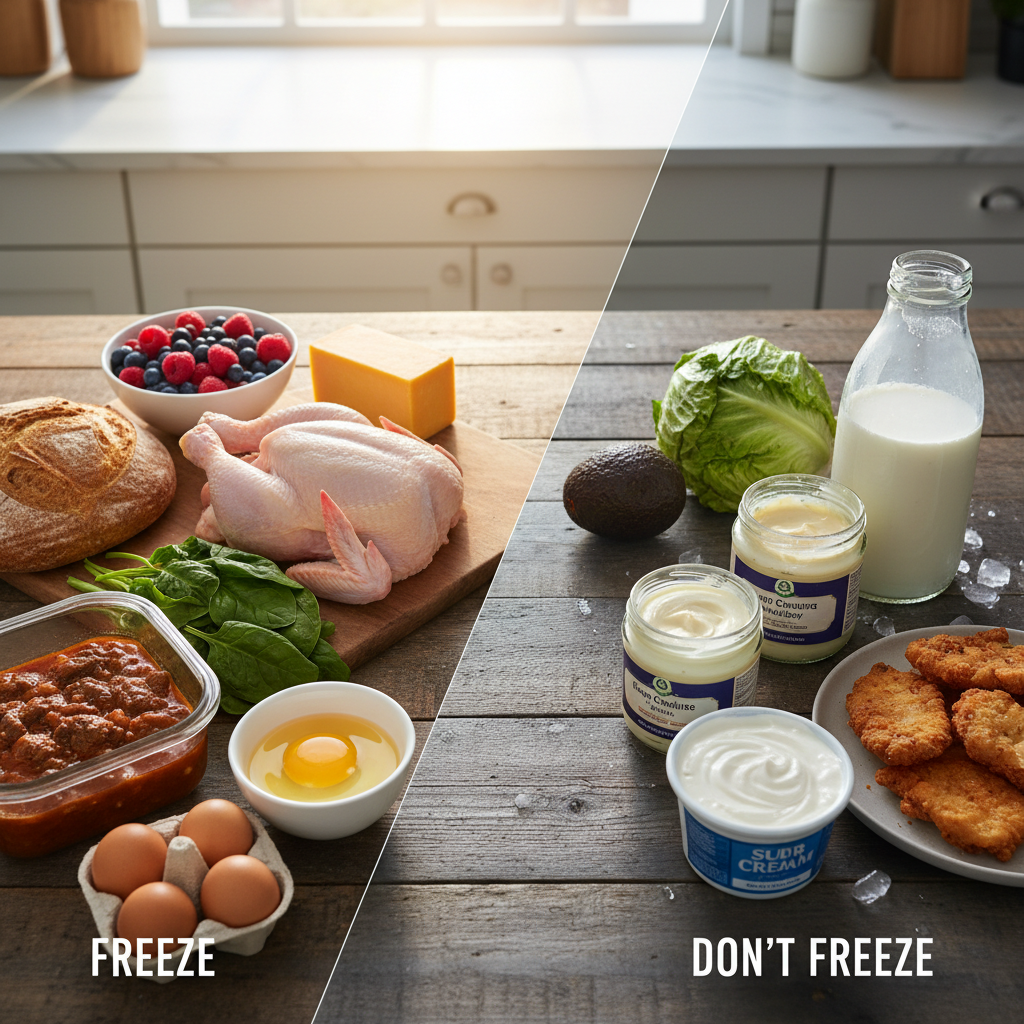
- Berries: Freeze them in a single layer on a baking sheet before transferring to a bag to prevent them from becoming a giant frozen clump.
- Leafy Greens: Spinach and kale freeze well for smoothies or soups but lose their crispness for salads.
- Corn and Peas: These are the "freezer superstars" and maintain nearly 100% of their fresh flavor.
The "Unusual" Suspects: Things You Didn't Know You Could Freeze
Many home cooks are surprised by the variety of foods you can freeze that aren't typically found in the frozen aisle:
Bread and Flour: Flour can actually go rancid due to natural oils. Storing whole-wheat flour in the freezer extends its life significantly. Bread can be frozen for up to 3 months; toast it directly from the freezer for the best results.
Nuts: High-fat nuts like walnuts and pecans stay fresh for up to two years in the freezer, preventing the bitter taste associated with oxidation.
Butter and Hard Cheese: Butter can be frozen for up to 9 months. Hard cheeses like Parmesan or sharp Cheddar can be frozen, though they may become slightly crumbly—perfect for cooking but less ideal for a cheese board.
Foods You Should NEVER Freeze
While the freezer is a time capsule for many ingredients, some foods react poorly to sub-zero temperatures. Freezing these items usually results in a culinary disaster.
High-Water Content Produce
Vegetables like cucumbers, lettuce, radishes, and celery have high water content and thin cell walls. When the water inside these cells freezes, it expands and shatters the cell structure. Upon thawing, you're left with a limp, watery mess. If you plan to use them in a cooked mirepoix later, it might be acceptable, but they will never be crunchy again.
Emulsified Sauces and Dairy
- Mayonnaise and Cream Sauces: Freezing causes the emulsion to break. You will thaw out a separated mess of oil and curdled solids.
- Sour Cream and Yogurt: These become grainy and watery. They are still safe to eat, but the texture is generally unpalatable unless mixed into a baked good.
- Soft Cheeses: Ricotta, cottage cheese, and cream cheese change texture significantly, often becoming unpleasantly gritty.
Fried Foods
That crispy coating on fried chicken or french fries is held together by oils and moisture balance. In the freezer, the moisture migrates, making the coating soggy. While commercial "frozen fries" work because they are flash-frozen (IQF) in industrial settings, home freezers are too slow to maintain that crunch.
The Battle Against Freezer Burn
Freezer burn is not a food safety issue; it is a quality issue. It occurs when air reaches the surface of the food and dries it out through sublimation (moisture turning directly from ice to gas). To prevent this, follow the "Three Layers of Protection" method:
1. Wrap the item tightly in plastic wrap or freezer paper, ensuring no air pockets remain.
2. Place the wrapped item inside a heavy-duty freezer bag.
3. Push all the air out of the bag before sealing.
Pro Tip: Label every package with the date and the contents. In the world of the freezer, a "mystery meat" block is rarely appetizing three months later.
Defrosting Safely: The Final Step
The CDC and USDA are very clear about thawing: never thaw food on the kitchen counter or in hot water. Bacteria can multiply rapidly in the outer layers of the food that reach room temperature while the center is still frozen.
The Three Approved Thawing Methods:
- In the Refrigerator: The safest method. Plan ahead, as large items like turkeys can take 24 hours for every 5 pounds of weight.
- Cold Water Thawing: Place the food in a leak-proof bag and submerge it in cold tap water. Change the water every 30 minutes. Cook immediately after thawing.
- Microwave Thawing: Use the "defrost" setting. This method often starts to cook the edges of the food, so you must cook the item immediately afterward to prevent bacterial growth.
Frequently Asked Questions (FAQ)
Can you freeze eggs?
Yes, but not in the shell. The shells will crack. Crack them into a bowl, whisk gently, and freeze in an ice cube tray for easy portioning. Thawed eggs are excellent for baking or scrambles.
Can you freeze milk?
Yes. Milk expands, so pour a little out of the carton first. Upon thawing, the fat may separate; simply give the container a vigorous shake to re-incorporate the solids.
Does freezing kill bacteria?
No. Freezing makes bacteria dormant, but it does not kill them. Once the food thaws, any bacteria present before freezing will "wake up" and begin to multiply again. This is why washing hands and maintaining clean surfaces during prep is essential.
Conclusion: Mastering Your Freezer
Understanding what you can freeze and how to freeze correctly is the ultimate "hack" for reducing food waste and saving money. By respecting the temperature guidelines set by the FDA and USDA, and utilizing proper airtight packaging, you can turn your freezer from a disorganized storage bin into a high-quality pantry of fresh ingredients.
Remember, when in doubt, "Freeze it fast, thaw it slow." Keep your freezer at 0°F, blanch your veggies, and protect against air. With these tools, you'll be well on your way to home preservation mastery.